Rubbish removal Earls Court Road SW5 guide
Posted on 19/06/2026

If you live, work, or manage property near Earls Court Road in SW5, rubbish has a habit of building up at the worst possible time. One day it is a broken wardrobe in the hallway, the next it is post-rename office clutter, a landlord clearance, or a pile of bags that simply will not fit into the weekly routine. This Rubbish removal Earls Court Road SW5 guide breaks the process down in plain English so you can choose the right service, avoid common mistakes, and get things cleared without fuss.
The aim here is simple: help you understand what local rubbish removal actually involves, what to expect on the day, how to compare options, and how to keep the whole thing safe, legal, and efficient. To be fair, once you know the basics, it all becomes much less stressful.
Why Rubbish removal Earls Court Road SW5 guide Matters
Earls Court Road sits in a part of London where space is precious. Flats can be compact, access can be awkward, and a small amount of waste can feel bigger than it really is. That is why a local rubbish clearance plan matters more here than in a place with a driveway and a spare garage. A sofa blocking a stairwell, a bag of builders' waste by the front door, or a back bedroom full of old furniture can quickly turn into a logistical headache.
There is also the question of timing. In a busy SW5 setting, you may be dealing with tenant changeovers, refurbishments, office churn, or simply the realities of urban living. Items left too long in shared hallways or outside a property can become a nuisance and, in some cases, a problem for neighbours or building management. Nobody wants that awkward note through the door. Nobody.
More broadly, rubbish removal is about keeping property usable. If you are preparing a home for sale, making room after a renovation, or clearing a business unit, the cleanup phase is not an afterthought. It is part of the job. For readers also thinking about the area more generally, our guide to the pros and cons of living in Earls Court gives helpful context on everyday life in the neighbourhood.
How Rubbish removal Earls Court Road SW5 guide Works
Most rubbish removal jobs follow a fairly simple pattern, even if the property itself is a little tricky. First, you identify what needs clearing. Then you choose the right service type, book a slot, and arrange access. On the day, the team collects the waste, loads it, and removes it for sorting, recycling, or disposal.
In practical terms, the process usually starts with a description of the waste. Is it general household rubbish, furniture, garden cuttings, loft junk, office clutter, or heavier material from building work? That distinction matters because different waste types may require different handling. If you are dealing with heavier renovation debris, the dedicated builders' waste clearance service in Earls Court is often the better fit.
A good local service will also ask about access: parking, stairs, lift use, loading distance, and whether the items are in a basement, loft, or shared corridor. It sounds mundane, but it makes the difference between a tidy visit and a frustrating one. Ever watched two people wrestle a wardrobe down a narrow Victorian stairwell? Not pretty.
Another point worth knowing is that rubbish removal is not always the same as skip hire. A collection team removes the waste for you, while a skip is dropped off for you to fill. Both can be useful, but the right choice depends on how much waste you have, how quickly you want it gone, and whether you have space outside the property. You can compare both approaches later in this guide.
Key Benefits and Practical Advantages
The most obvious benefit is convenience, but that only scratches the surface. A well-run rubbish clearance service saves time, reduces disruption, and helps you deal with waste in a way that is more controlled than a last-minute DIY haul. In a busy London street, that can be a relief.
- Faster turnaround: useful when you are preparing a property for new tenants, a viewing, or a refurbishment.
- Less manual lifting: important for bulky furniture, broken appliances, and awkward items that should not be dragged about casually.
- Cleaner presentation: handy if you are living in the property while work is happening.
- Better sorting of waste: recyclable materials can be separated more easily when collected by a trained team.
- Less stress: and let's face it, that counts for a lot when you are dealing with a move or a renovation deadline.
There is also a subtle but real property benefit. A clear, uncluttered home photographs better, feels larger, and is easier to inspect. That matters whether you are selling, renting, or simply trying to get back on top of life. If you are buying or investing locally, our article on buying homes in Earls Court can help you think about the area from a property perspective too.
For landlords and business owners, the practical advantage is reliability. If you need waste gone on a specific day, a booked collection is a lot more predictable than hoping everyone has time to make multiple tip runs. Truth be told, most people reach that conclusion after one exhausting weekend and a sore back.
Who This Is For and When It Makes Sense
This kind of rubbish removal guide is useful for a wider group than you might think. It is not only for people doing a full house clear-out. In Earls Court Road SW5, it often helps in small, everyday situations that need quick action.
- Homeowners clearing old furniture, loft clutter, or post-renovation waste.
- Renters who need to leave a flat tidy at the end of a tenancy.
- Landlords and letting agents managing turnover between occupants.
- Office managers removing desks, archived paperwork, chairs, or packaging.
- Builders and tradespeople dealing with light to medium refurbishment waste.
- Families handling bereavement clearances or major life transitions.
It also makes sense if you are dealing with awkward items that a normal waste round will not take. A broken treadmill, a disassembled wardrobe, old carpet rolls, or a cracked washing machine can sit there for ages if nobody makes a plan. Sometimes the problem is not volume. It is simply awkwardness.
For a broader overview of what a provider may cover, see the services overview. If your situation is more domestic and sensitive, a house clearance in Earls Court may be more appropriate than a simple one-off rubbish pickup.
Step-by-Step Guidance
If you want a smooth collection, a bit of preparation goes a long way. Here is the most practical way to approach it.
- Sort the waste into categories. Separate general rubbish, furniture, electrical items, garden waste, and construction debris where possible.
- Estimate the volume. Think in terms of van space, bag count, or the number of bulky items. A rough estimate is fine.
- Check access. Note staircases, lifts, parking restrictions, and whether the items are on upper floors or in basements.
- Decide what should stay. A quick home sweep helps prevent accidental removal of paperwork, chargers, or sentimental bits hiding in drawers.
- Request a quote. Be honest about the waste type and access conditions. Surprises usually create delays.
- Prepare the items. If safe, place waste in one area so the team can load quickly.
- Ask about sorting and disposal. It is reasonable to want to know how mixed waste will be handled.
- Be available at the start. A short walk-through on arrival prevents confusion and speeds things up.
If your waste includes furniture, it can help to look at the dedicated furniture disposal service. For a smaller, more general load, the junk removal option may be enough. For ongoing or scheduled needs, rubbish collection in Earls Court can be a better fit.
A small but important tip: do not leave fragile items hidden inside boxes and assume they will be spotted. Mark them clearly. A handwritten note is old-fashioned, sure, but it still works.
Expert Tips for Better Results
After enough clearances, a few habits stand out. They are not glamorous, but they make the job easier and often cheaper.
- Take a quick photo survey first. A few well-lit photos of the waste area help with quoting and planning.
- Separate reusable items. If something is still in good condition, consider whether it should go to a different destination than standard waste.
- Measure the bulky stuff. Door widths, stair turns, and lift sizes matter more than people expect.
- Keep the route clear. Move shoes, bins, and small obstacles out of the way before the team arrives.
- Ask about recycling practices. A responsible provider should be able to explain their general approach to sorting waste.
- Book with a little breathing room. Last-minute jobs are possible, but if your schedule is tight, a cushion helps.
One of the more underrated tips is to think in layers. Clear the easy stuff first, then the awkward stuff, then the hidden stuff. It keeps momentum going. A cluttered flat can look hopeless at 9am and strangely manageable by lunchtime once the first load is out. Funny how that happens.
If safety is a concern, especially with heavy lifting or uncertain access, read the site's insurance and safety information. It is worth doing that before anyone starts lifting wardrobes down stairs in a narrow hallway.

Common Mistakes to Avoid
The biggest mistakes are usually simple ones. Nothing dramatic, just the sort of things that create delay or unnecessary cost.
- Underestimating the volume. A few bags in the corner can turn into half a van once gathered together.
- Mixing too many waste types. Separating items early often makes the whole process easier.
- Ignoring access issues. Parking, stairways, and lift restrictions can affect timing.
- Leaving valuables in cupboards. This happens more than you would think. Always double-check drawers and shelves.
- Choosing a service only on price. The cheapest option is not always the best if it lacks clarity or proper waste handling.
- Forgetting special items. Mattresses, electricals, and heavy building waste may need extra thought.
There is also a softer mistake: treating clearance as a last-minute panic job. If you can plan a day ahead, even a little, the whole experience is calmer. Less rushing. Less mess. Fewer awkward surprises when the team arrives and the hallway is still packed with boxes.
For larger home projects, you may also want to compare the waste plan with related services like loft clearance, garage clearance, or even office clearance if the clutter is commercial rather than domestic.
Tools, Resources and Recommendations
You do not need a complicated toolkit to prepare for rubbish removal, but a few simple things help.
- Sticky labels or marker pens: useful for marking keep, donate, and remove piles.
- Bin bags and heavy-duty sacks: helpful for loose waste and small clearances.
- Measuring tape: handy for bulky furniture and awkward stairwell turns.
- Phone camera: take photos of access routes, especially if you need a quote remotely.
- Gloves and basic protective gear: sensible for sorting dusty lofts, garages, or garden waste.
On the service side, the best recommendation is to choose the option that matches the job instead of forcing everything into one category. Garden cuttings are different from broken cupboards. Post-renovation rubble is different from office paperwork. The right service makes the job feel almost boring, and boring is good here.
If you are doing a tidy-up around the outside of the property, the dedicated garden waste removal service can be a better choice than general clearance. For people comparing disposal models, the skip hire option is worth considering when waste will be generated over several days and you have suitable space.
For a broader sense of the business and the team behind the service, you can also read about the company. Sometimes that reassures people more than any sales pitch, and rightly so.
Law, Compliance, Standards, or Best Practice
Waste removal in the UK is not just a matter of chucking things into a van and hoping for the best. There are legal and practical expectations around handling, transporting, and disposing of waste responsibly. You do not need to memorise legislation to use a clearance service, but you should know the basics.
In plain terms, the waste should be taken to an appropriate facility and handled according to its type. Mixed waste, electrical items, metal, wood, and garden material may be separated for better recycling or disposal. The key thing for a customer is to use a provider that behaves responsibly and can explain its process in straightforward language.
That is where best practice comes in. A sensible service will:
- avoid unsafe lifting or loading;
- work carefully in shared hallways and stairwells;
- handle waste transfer in a way that is consistent with normal UK expectations;
- offer clear communication around what can and cannot be taken;
- respect property rules, access arrangements, and neighbour considerations.
For customers concerned about recycling, sustainability, or the destination of collected waste, the site's recycling and sustainability information is a useful read. It is best to ask questions early rather than assume every item goes to the same place. That would be a mistake, frankly.
If you are paying online or arranging a booking remotely, it is also sensible to review the payment and security details and the published terms and conditions. Clear expectations make for a smoother job on both sides.
Options, Methods, or Comparison Table
Choosing between rubbish removal methods depends on how much waste you have, how quickly it needs to go, and how much hands-on work you want to do yourself. Here is a practical comparison.
| Option | Best for | Pros | Watch out for |
|---|---|---|---|
| Rubbish removal collection | General clearances, furniture, mixed household waste | Fast, convenient, minimal effort | You need the waste ready and accessible |
| Skip hire | Longer projects or ongoing clear-outs | Good for staged loading, useful over several days | You need space, permissions, and enough volume to justify it |
| Specialist clearance | Lofts, garages, houses, offices, gardens | Tailored to the type of waste and property | Must choose the right service for the right job |
| DIY disposal | Very small amounts, if you have time and transport | Feels inexpensive at first glance | Time-consuming, physically tiring, and easy to underestimate |
For most Earls Court Road households, a direct collection service is the most practical route. If the waste is being generated gradually during a renovation, skip hire may be better. If you are unsure, start by asking for a quote and describing the situation honestly. The right answer often becomes obvious once the job is framed properly.
Case Study or Real-World Example
A fairly typical SW5 scenario goes like this. A couple moves out of a first-floor flat near Earls Court Road after several years in the same place. Over time, the spare room has become a storage zone: an old desk, a mattress, broken shelving, three bags of household rubbish, a few boxes of books, and some packaging from a recent appliance delivery. Nothing outrageous. Just enough to feel messy and exhausting.
They first think about hiring a skip, but the street access is awkward and there is no obvious place to leave one without inconvenience. After checking the layout, they opt for a direct collection instead. Before the team arrives, they separate documents, label one box of items to keep, and move the waste near the entrance. The collection itself is straightforward. What seemed like a weekend-long problem becomes a short, manageable visit.
The part people usually remember is not the lifting. It is the relief afterwards. The flat feels calmer. There is space to breathe again. And, in a small London flat, that matters more than people outside the city sometimes realise.
If the property is part of a move or purchase, local housing context can also shape how you plan clearance. Our articles on Earls Court property as an investment and the appeal of Earls Court are useful background reads.
Practical Checklist
Use this before your collection day. It keeps things simple.
- Identify every item to be removed.
- Separate keep, donate, recycle, and remove piles.
- Check whether items are heavy, fragile, or awkward.
- Measure doors, stairs, and any tight corners.
- Confirm access, parking, and loading space.
- Take a few photos if you need a quote.
- Ask whether your waste type needs a specific service.
- Review safety, payment, and service details in advance.
- Clear a route to the items.
- Do a final sweep for valuables, documents, and chargers.
Expert summary: The best rubbish removal jobs are rarely the most complicated ones. They are the best prepared ones. If you sort early, measure access, and choose the right service category, the rest tends to fall into place quite neatly.
Conclusion
A well-planned rubbish removal Earls Court Road SW5 guide is really about making life easier in a part of London where space, access, and timing all matter. Whether you are clearing a flat, an office, a garden, or a property between tenants, the main goal is the same: remove what you do not need, keep what matters, and do it safely and efficiently.
The big takeaway is that the right service depends on the waste, the location, and the pressure you are under. If you take a few minutes to sort items, think through access, and choose the most suitable option, the whole experience is usually much smoother than people fear. And once the clutter is gone, the difference is immediate. Rooms breathe again. That alone can change the feel of a place.
Get a free quote today and see how much you can save.
When the last bag is gone and the floor is finally clear, there is a quiet kind of relief to it. Properly underrated, if you ask me.



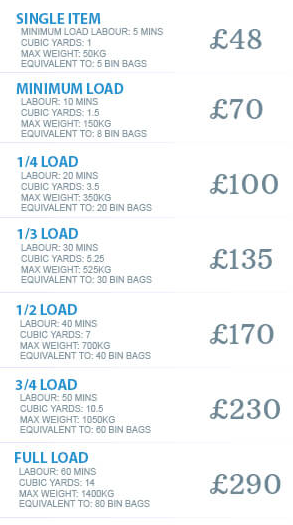
 Tipper Van - Rubbish Removal and Waste Disposal Prices in Earls Court, SW5
 Luton Van - Rubbish Removal and Waste Disposal Prices in