Commercial rubbish removal for Earls Court shops and offices
Posted on 07/08/2026

Running a shop or office in Earls Court means dealing with more than customers, staff, and deadlines. There is always something to clear: broken display units, old stock, packaging, paperwork, filing cabinets, desks, cafe waste, fit-out debris, or that mysterious pile in the back room no one wants to claim. Commercial rubbish removal for Earls Court shops and offices is the practical answer when waste starts getting in the way of trading smoothly.
This guide explains how commercial clearance works, when it makes sense, what to watch out for, and how to choose the right approach for your business. If you want a cleaner workspace, less disruption, and a more organised routine, you are in the right place. And yes, it can be simpler than people expect.
- Why it matters
- How it works
- Key benefits
- Who needs this service
- Step-by-step guidance
- Expert tips
- Common mistakes to avoid
- Tools, resources and recommendations
- Law, compliance, standards and best practice
- Options and comparison
- Real-world example
- Practical checklist
- Conclusion
- Frequently asked questions
Why Commercial rubbish removal for Earls Court shops and offices Matters
In a busy part of London like Earls Court, waste builds up quickly. Retail units generate cardboard, damaged fixtures, mannequins, hangers, packaging, and end-of-line stock. Offices produce archive boxes, redundant furniture, broken monitors, cable waste, and the occasional surprising amount of "temporary" clutter that became permanent sometime around last winter. It happens.
The issue is not only appearance. Poor waste management can slow down staff, create trip hazards, block fire exits, and make stock rooms harder to use. For shops, clutter can also affect the customer experience. A crowded back-of-house area usually means a more stressful front-of-house operation too. In offices, messy disposal routines often lead to downtime during moves, refurbishments, or team changes.
Commercial rubbish removal is especially useful in Earls Court because business premises here often sit in tight streets, mixed-use buildings, or units with limited storage. That means waste cannot always wait for a weekend tidy-up or a standard collection day. A planned clearance removes the pressure and helps the business stay presentable, safe, and workable.
If you want a broader view of the services available locally, it can help to review the services overview and the company's approach to recycling and sustainability.
Expert summary: For most Earls Court shops and offices, the real value of commercial rubbish removal is not just getting rid of waste. It is reducing disruption, restoring usable space, and making day-to-day operations easier to manage. Simple, but powerful.
How Commercial rubbish removal for Earls Court shops and offices Works
Commercial rubbish removal is usually a straightforward process, but the best results come from a little planning. The job normally starts with identifying what needs removing, where it is stored, and whether any items require special handling. A small office clearance and a full retail refit clearance are very different jobs, even if they both begin with a few bags and a lot of frustration.
In practice, the workflow often looks like this:
- Initial review: the business identifies the volume and type of waste, such as office furniture, shelving, packaging, or mixed junk.
- Access planning: the team considers stairs, lifts, loading points, parking, and whether removal needs to happen before opening hours or after closing.
- Collection or loading: rubbish is moved from the premises, usually by a crew used to carrying bulky items through narrow entrances and shared hallways.
- Sorting and separation: reusable, recyclable, and non-recyclable materials are separated where appropriate.
- Transport and disposal: items are taken away for lawful disposal, recovery, or recycling depending on the material.
The exact method depends on the business. A clothing shop might need a fast clear-out after a refurbishment. A solicitor's office may need archive disposal and desk removal with minimal noise and disruption. A cafe could need frequent waste removal for packaging, broken seating, or surplus stock. Different businesses, different mess. Same principle: make it disappear properly.
For businesses dealing with office furniture and workstations, the dedicated office clearance in Earls Court service is often the best fit. If the job is more mixed or general, rubbish clearance in Earls Court may be the more flexible option.
Key Benefits and Practical Advantages
The obvious benefit is that waste leaves the building. But the deeper advantages are where businesses really feel the difference.
1. Cleaner, safer working areas
Stacks of cardboard, old stock, broken fixtures, and loose cables are not just untidy. They can make daily movement awkward and create avoidable hazards. A clear space is easier to work in and easier to keep compliant with basic safety expectations.
2. Faster turnaround during changeovers
Retail refits, office relocations, and end-of-lease clearances often run on tight timelines. A prompt clearance can keep your move on schedule. No one enjoys paying staff to stand around waiting for an empty room to become usable.
3. Better presentation for customers and visitors
For shops, the back area matters more than people admit. Staff notice it immediately, and customers often do too. For offices, a tidy premises creates a calmer impression for clients, interviewees, and suppliers.
4. Less pressure on your team
Trying to ask staff to clear waste between serving customers or answering calls usually leads to half-finished jobs. A dedicated removal visit takes that burden away. That alone can be worth it.
5. More efficient recycling and sorting
Commercial waste often includes cardboard, wood, metal, and office materials that should not simply be dumped together. A good clearance approach makes recycling easier and avoids the "we'll sort it later" trap. Later rarely comes, to be fair.
6. Better use of valuable London space
In Earls Court, every square foot counts. A cluttered stockroom or overspill office corner is space you are paying for but not using properly. Removing waste can feel like finding a room you forgot you had.
If your business is planning a wider premises refresh, it may also be useful to look at builders waste clearance in Earls Court for renovation debris, fixtures, and fit-out materials.
Who This Is For and When It Makes Sense
Commercial rubbish removal is not only for major renovations. Plenty of smaller, ordinary moments justify it.
- Shops: seasonal stock changes, packaging overflow, damaged shelving, old promotional displays, end-of-line items, and refurbishment waste.
- Offices: furniture replacement, archive clearance, redundant IT equipment, desk moves, hot-desking changes, and lease-end cleanup.
- Hospitality businesses: worn seating, broken fixtures, surplus delivery packaging, storage room overflows, and post-event clutter.
- Property managers and landlords: tenant turnover, void unit clearance, and preparing spaces for new occupants.
- Facilities teams: routine uplift of bulky rubbish and ad hoc cleanouts after maintenance work.
It makes sense when waste starts to interfere with trading, staff workflow, or access. A single overloaded storage room can become a real bottleneck. You do not need a crisis. If the clutter is making everyday tasks harder, that is enough reason.
Businesses in mixed-use locations around Earls Court often pair this with broader property planning. If that sounds familiar, the article on Earls Court property as a wise investment gives useful background on the local commercial landscape.
Step-by-Step Guidance
If you are arranging a commercial clearance for the first time, keep it simple. A clear process saves time and usually reduces cost.
- Identify the waste streams. List what needs removing: furniture, paperwork, cardboard, fixtures, old stock, waste from a refit, or mixed junk.
- Separate sensitive material. Put aside anything confidential, valuable, hazardous, or fragile so it can be handled properly.
- Measure access and volume. Note stairs, loading bays, narrow doorways, lift restrictions, and approximate quantities. This helps avoid surprises on the day.
- Choose the right service type. For a broad mix of items, commercial rubbish removal is often better than trying to hire a skip for everything.
- Pick a timing window. Early morning, after closing, or a quieter trading period can reduce disruption. A few hours can make a big difference.
- Confirm what is included. Ask whether labour, lifting, loading, disposal, and recycling are all covered.
- Prepare the site. Move walkways clear, label what stays, and let staff know what will happen.
- Do a final walk-through. Once cleared, check corners, storerooms, and under counters. That forgotten printer cable always survives somehow.
If the clearance is related to an office move or major workplace reset, you may also find the dedicated office clearance service useful as part of a wider plan.
Expert Tips for Better Results
Here is where a little experience helps. The smoothest clearances usually have one thing in common: someone planned ahead, even if only a bit.
- Clear by category, not by room alone. Put cardboard, furniture, electrical items, and general junk into separate groupings where possible. It speeds things up.
- Keep access routes open. A cluttered back corridor can double the time needed for removal.
- Book before you are desperate. End-of-lease rush jobs tend to cost more in stress, if not always in money.
- Choose quieter hours for customer-facing businesses. Early morning collections can be far less disruptive than daytime removals.
- Ask about recycling first. If you care about reducing landfill, say so up front. Good providers can often plan around that.
- Keep records for internal admin. Even a short note of what was removed, when, and why can be useful for facilities teams and landlords.
One small but useful tip: if the waste includes shop fittings or furniture, check whether any items are still reusable before they go. A chair with one loose leg is one thing; a whole shelving run may still have value elsewhere in the business. Not everything old is rubbish. Annoyingly, sometimes it is, but not always.

Common Mistakes to Avoid
Most clearance problems are avoidable. They usually come from rushing, guessing, or not asking the right questions.
- Underestimating volume: what looks like "a few items" can become a full van load once it is stacked properly.
- Ignoring access issues: tight stairwells, restricted parking, and basement storage all affect how long the job takes.
- Mixing hazardous and general waste: batteries, chemicals, sharps, and certain electrical items may need separate handling.
- Leaving it until the last day: this is how simple clearances become frantic ones.
- Not checking disposal standards: businesses should know where their waste is going and whether the provider handles it responsibly.
- Forgetting confidential material: office clearances sometimes uncover documents that should have been removed earlier. Happens all the time.
A small caution as well: do not assume all removal methods are equal. A cheap job that leaves your site untidy or mismanaged can cost more in the long run. Convenience matters, but so does doing it properly.
Tools, Resources and Recommendations
You do not need a warehouse of equipment to prepare for a commercial clearance, but a few practical tools make life easier.
- Labels or masking tape: useful for marking keep, remove, recycle, and confidential items.
- Basic inventory list: a simple spreadsheet or handwritten list is enough for most businesses.
- Photographs: quick pictures help when explaining the job to a provider or agreeing what should go.
- Dust sheets or moving blankets: useful if clearance is happening around items that remain in place.
- Box cutters and cable ties: helpful for breaking down packaging and bundling loose materials.
For businesses comparing removal methods, it is worth looking at skip hire in Earls Court alongside collection-based services. If you are unsure which is better for your site, the comparison is usually about access, speed, and the kind of waste you have.
It can also help to read skip hire options near Olympia, London Earls Court and the practical local guide to rubbish removal in Earls Court Road SW5 if your premises sit close to those busy streets.
Law, Compliance, Standards, or Best Practice
Commercial waste handling in the UK should be treated carefully. The safest habit is to assume that once your business hands waste over, you still need to know it is being managed lawfully and responsibly. That does not mean becoming a compliance expert overnight. It does mean asking sensible questions.
Common good practice includes:
- separating recyclable material where practical
- keeping clear records of what was removed
- ensuring waste is not left in public spaces overnight without permission or planning
- treating electrical items, confidential documents, batteries, and other specialist waste with extra care
- using a provider that can explain how waste is collected, sorted, and taken away
For office premises, confidentiality matters as much as cleanliness. For retail, presentation and access matter. For both, safety comes first. If you are unsure about a specific item, ask before putting it in the general pile. That one question can save a lot of bother later.
Safety is also part of the service culture. If your business wants reassurance around handling, lifting, and working around occupied premises, the page on insurance and safety is worth a look.
Options, Methods, or Comparison Table
There is no single best way to remove commercial rubbish. The right choice depends on space, timing, and the type of waste involved.
| Method | Best for | Pros | Limitations |
|---|---|---|---|
| Commercial rubbish removal | Mixed business waste, furniture, stock, and general clear-outs | Fast, hands-off, minimal disruption | Needs access planning and clear instructions |
| Skip hire | Ongoing renovation waste or heavier volumes | Flexible for extended works | Needs space outside, parking consideration, and loading by your team |
| Office clearance | Desks, chairs, filing, and workplace moves | Good for structured workplace resets | Less suitable for heavy mixed trade waste |
| Rubbish collection | Smaller, routine uplift jobs | Simple and convenient | May not suit larger or more complex clearances |
For many Earls Court businesses, the practical choice is a collection-led clearance rather than a skip. Why? Because loading and parking can be awkward, and the fastest solution is often the one that keeps the waste inside the workflow until it is taken away in one go. Nice and neat.
Case Study or Real-World Example
Picture a small shop near a busy Earls Court street. The owners are replacing display units, clearing old seasonal stock, and removing cardboard that has grown into a back-room mountain over several months. The shop cannot afford to shut for the day. Customers still need to come in, deliveries still arrive, and staff still need access to the till area and stock shelves.
Instead of trying to tackle the job in bits and pieces, the owner schedules a clearance after closing time. Items are grouped in advance: broken fixtures, packaging, old promotional materials, and a few bulky items that no one wants to drag down the stairs at 9 p.m. The team keeps the entrance clear, protects the route through the shop, and leaves a final sweep for the morning.
The result is simple but noticeable. The back room becomes usable again. Staff stop stacking items in the wrong place. The shop floor feels calmer. The owner also has a better sense of what waste is created week by week, so the next clearance can be smaller and easier. That is the kind of improvement you can actually feel on a Monday morning.
We see a similar pattern with offices. A brief, well-planned clearance often prevents a much larger mess later, especially around move-outs and refits. Small effort, big relief.

Practical Checklist
Use this checklist before booking commercial rubbish removal for your Earls Court shop or office.
- List all items that need to go.
- Mark anything that must stay.
- Separate confidential, fragile, hazardous, and reusable items.
- Check access routes, lift use, and parking constraints.
- Decide whether the job should happen before opening, after closing, or during a quiet period.
- Take a few photos of the waste area.
- Confirm whether recycling is part of the plan.
- Ask how bulky items and electrical items will be handled.
- Prepare staff so they know what is being removed.
- Do a final check after the clearance, especially in corners and storage spaces.
If the waste is mostly furniture, the page on furniture disposal in Earls Court may also be useful when planning the job.
Conclusion
Commercial rubbish removal for Earls Court shops and offices is really about keeping business life manageable. The right clearance approach protects space, supports staff, reduces disruption, and helps your premises stay professional. Whether you are clearing old stock, replacing office furniture, or dealing with a bigger refurbishment, the key is to plan the removal in a way that fits your building, your timetable, and your trading hours.
In a busy area like Earls Court, that flexibility matters. So does getting the details right. A little preparation, a sensible method, and a clean exit for the waste can make the whole site feel sharper and calmer almost straight away.
Get a free quote today and see how much you can save.


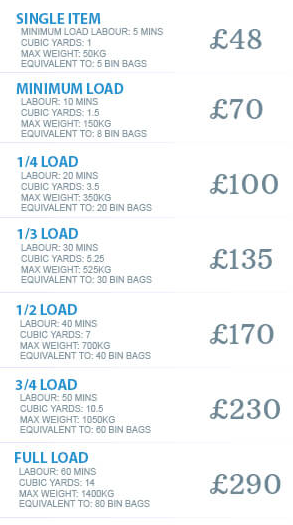
 Tipper Van - Rubbish Removal and Waste Disposal Prices in Earls Court, SW5
 Luton Van - Rubbish Removal and Waste Disposal Prices in