Bulky waste collection Old Brompton Road residents
Posted on 14/07/2026

Bulky waste collection Old Brompton Road residents: a practical guide for faster, tidier clearances
If you live near Old Brompton Road, you already know how quickly bulky items can get in the way. A sofa left by the wall, a mattress leaning in the hall, an old wardrobe that needs two people just to budge it - it all starts to feel like the flat is shrinking. Bulky waste collection Old Brompton Road residents need is usually less about "rubbish" in the everyday sense and more about making space again, safely and without turning the stairwell into a low-budget obstacle course.
This guide explains how bulky waste collection works, who it suits, how to prepare, and how to avoid the mistakes that make a simple job unnecessarily awkward. You'll also find a comparison of common disposal options, a checklist, and a few local-minded tips that make the whole process far less stressful. To be fair, that's the real goal here: less faff, fewer trips, and no regret after you've already hauled the item to the kerb.
Why bulky waste collection Old Brompton Road residents matters
Old Brompton Road and the streets around it are a mix of homes, apartments, managed buildings, and busy day-to-day foot traffic. That matters because bulky waste is rarely just a "put it outside and forget it" job. A broken bed frame, large chest of drawers, old white goods, or a worn-out armchair can block narrow hallways, create lift issues, and become a nuisance for neighbours very quickly.
There's also the simple matter of timing. One minute you're clearing out a spare room; the next you've got packaging, old furniture, and a pile of miscellaneous items gathering in the corner. And let's face it, bulky waste has a talent for staying exactly where it is until you deal with it properly.
For residents, proper bulky waste collection does three useful things:
- it removes large items without damaging walls, floors, or communal areas;
- it reduces the risk of leaving unsuitable waste on the street;
- it helps you regain usable space quickly, often in a single visit.
That last point is worth underlining. In smaller London homes, space is money, comfort, and sanity all rolled into one. Clearing a single large item can change how a room feels.
If you're also thinking about longer-term property upkeep or moving plans, it can be useful to look at related local reading such as the pros and cons of living in Earls Court and buying homes in Earls Court. It's not the same street, of course, but the housing patterns and clearance headaches are often very similar.
How bulky waste collection Old Brompton Road residents works
At a practical level, bulky waste collection usually means a team comes to the property, assesses the items, removes them from the premises, and transports them for reuse, recycling, or disposal depending on what the items are and what condition they're in. That's the simple version. The real-world version is a bit more nuanced.
For example, a sofa on the ground floor is straightforward. A sofa on the fourth floor with no lift, tight turns, and a narrow front door? Different story. Access changes everything. So do item type, weight, and whether the item needs partial dismantling before it can be moved safely.
Most residents find the process works best in these stages:
- Identify the items - list exactly what needs removing. Be precise.
- Check access - stairs, lifts, courtyard entrances, parking, and walking distance all matter.
- Request a quote - the more accurate the description, the better the estimate.
- Prepare the items - clear personal belongings, empty drawers, unplug appliances, and remove loose bits where sensible.
- Collection day - the team removes the waste and, where appropriate, sorts items for recycling or disposal.
If the waste is mixed - say, a wardrobe plus old boxes, an office chair, and some renovation offcuts - a wider service may be more suitable. In those cases, it can help to review the full services overview and see whether you need rubbish clearance, furniture disposal, or something broader like waste removal. Different jobs, slightly different handling. Makes sense once you see it side by side.
Key benefits and practical advantages
The strongest reason people choose professional bulky waste collection is not convenience alone. It is certainty. You know the items will be removed, you know the process is being handled by people used to lifting awkward things, and you know you're not about to spend your Saturday wrestling a mattress down a staircase.
Here are the main advantages residents usually notice:
- Less physical strain - no need to drag heavy items through a flat or communal area.
- Faster turnaround - one collection can solve what might otherwise take several trips.
- Cleaner exits - no piles left waiting by the building entrance.
- Better recycling outcomes - many bulky items can be separated and sorted more intelligently than they would be in a rushed DIY attempt.
- Reduced stress for neighbours and building managers - especially in managed properties where shared spaces matter.
There's also an often-overlooked benefit: fewer mistakes. When residents try to shift bulky waste on their own, items get damaged, hallways get marked, and someone usually ends up with a sore back. Not glamorous. Not worth it.
If you're interested in how waste is handled more broadly, the team's approach to recycling and sustainability can also be relevant, especially if you want to avoid the "everything goes in one heap" style of clearance that feels a bit dated now.
Who this is for and when it makes sense
Bulky waste collection is not only for people who are moving house. In fact, many of the most common requests are from residents simply trying to keep a home functional.
This service makes sense if you are:
- replacing old furniture and need the old items removed;
- clearing a spare room, box room, or guest space;
- dealing with a mattress, sofa, wardrobe, or dining table that won't fit in a car;
- emptying a loft, garage, or storage space;
- getting a property ready for sale or letting;
- handling post-renovation waste or mixed household clutter;
- managing a home office refresh, especially if old desks and chairs are bulky and awkward.
It also suits residents who live in buildings with tight access, limited parking, or shared entrances. Old Brompton Road has plenty of properties where the main issue is not the item itself but how on earth you get it out. That's the real puzzle.
If your clearance includes a full room or several different item types, the most suitable option may be broader than a single bulky-item pickup. In those cases, look at house clearance, loft clearance, or even garage clearance if that's where the clutter has quietly been breeding.
Step-by-step guidance
If you want the process to go smoothly, a little planning goes a long way. Not a huge spreadsheet. Just enough to avoid surprises. Here's a straightforward approach.
1. Make a clean list of everything to be removed
Walk through the room and note the items that are definitely going. Include size, approximate quantity, and any awkward features such as broken frames, attached headboards, or loose shelves. If you're unsure whether something is classed as bulky waste, list it anyway and ask.
2. Separate what can be reused, donated, or recycled
Some items may still have life left in them. Even if you do not plan to reuse them yourself, it's worth identifying anything in decent condition. A slightly scruffy but usable chair is a different conversation from a water-damaged mattress. You'll usually get a smoother outcome when useful items are kept apart from genuinely unsalvageable waste.
3. Check access before collection day
This is the part people often underestimate. Measure doorways if needed. Look at stair corners. Think about where the team can park or stop safely. If the item needs to come through a communal hallway, make sure the route is clear. In an apartment building, it helps to warn neighbours or the building manager if the removal may briefly affect access.
4. Remove personal items and fragile contents
Open drawers, empty cabinets, detach cushions if appropriate, and check under beds or inside wardrobes. It sounds obvious, yet people still find passports, cables, remote controls, and the odd mystery charger at the last minute. Happens all the time.
5. Ask about dismantling
Some items can be moved more easily once they are partly dismantled. That doesn't mean you should start taking everything apart with a kitchen knife - please don't - but simple steps like removing shelves or legs can make collection safer and quicker.
6. Confirm the final scope and price before work begins
Clear communication matters. If more items are added after the quote, the team may need to reassess the job. That's normal. What causes friction is assuming "just one more thing" will somehow not change the scale. It usually does.
Expert tips for better results
Having handled plenty of messy clearances over the years, one thing stands out: the best jobs are the ones prepared with a bit of thought, not the ones where everyone wings it.
Start with the heaviest item first. If a room contains several pieces, identify the awkward one. Once that is gone, the rest often becomes much easier.
Keep access routes wide and obvious. A clear path saves time and prevents scuffs. A rolled rug, one shoe, and a bin bag in the wrong place can become a minor drama very quickly.
Bundle small loose items separately. Screws, brackets, cables, and shelf supports can be bagged together. It's a tiny thing, but it keeps the whole job tidy.
Take photos if you are requesting a quote remotely. Different angles help more than a long message ever will. A front-on photo and a side view usually tell the story well enough.
Use the right disposal route for the job size. One chair is not the same as a full property clear-out. If the scale grows, switch to the matching service rather than forcing it into the wrong box.
A small human tip: if you're clearing a room that's been neglected for years, do it in one go if possible. Half-finished clear-outs can feel oddly heavier than the original mess. You open the door, see the same stack, and lose momentum. We've all been there.

Common mistakes to avoid
Most bulky waste problems are not caused by the items themselves. They happen because the planning was rushed, or because someone hoped the job would be smaller than it really was.
- Leaving items in communal areas too early - this can create complaints, obstruct access, or make the building look untidy.
- Forgetting to mention stairs, lifts, or parking constraints - access details affect timing and pricing.
- Mixing bulky waste with hazardous or unsuitable items - some items need special handling, so always check first.
- Assuming every item is removed the same way - furniture, appliances, and mixed junk may need different handling.
- Not measuring large items - if an item needs to pass through a tight hallway, dimensions matter.
- Trying to save time by moving heavy items yourself - usually a false economy.
One more subtle mistake: not thinking about what happens after the collection. If you're replacing a sofa, wardrobe, or bed, it's smart to line up delivery for the new item only after the old one is gone. Otherwise, you end up playing musical furniture in a room that isn't really built for it.
Tools, resources and recommendations
You do not need much equipment to prepare for bulky waste collection, but the right small tools can make the job much easier.
- Measuring tape - useful for confirming whether large items can pass through doors and stairwells.
- Protective gloves - helpful if you are sorting edges, loose wood, or dusty items.
- Strong bin bags or boxes - ideal for screws, cables, and smaller bits.
- Labels or notes - a simple way to mark items that are definitely going.
- Basic screwdriver or hex key - sometimes handy for removing detachable parts.
In terms of useful pages, residents often find it helpful to compare similar services before booking. For instance, junk removal can be the better fit for mixed household clutter, while rubbish collection is often more appropriate for regular clearances or smaller ongoing jobs. If the waste comes from a wider refurbishment, builders waste clearance may be the more sensible route.
For broader reading, the article on rubbish removal on Earls Court Road in SW5 is a useful nearby reference point, particularly if you want to understand how local access and property layouts affect collection work.
Law, compliance, standards, and best practice
When bulky waste is involved, compliance mainly comes down to responsible handling, safe movement, and ensuring waste is taken to an appropriate facility or route. The exact rules can vary depending on the item type and the circumstances, so it is wise not to assume one-size-fits-all disposal applies to everything.
For residents, the key best-practice points are fairly straightforward:
- do not leave waste where it blocks pavements, entrances, or emergency access;
- separate items that may need special handling;
- check whether anything contains electrical parts, fluids, or sharp components;
- make sure anyone handling the waste is doing so safely and with suitable equipment;
- keep records, receipts, or confirmation details if you want a clear paper trail.
If you are arranging a clearance through a professional team, it is sensible to review their insurance and safety information so you understand how they approach risk, lifting, and on-site protection. That kind of transparency matters, especially in shared buildings.
For more detail on customer protections and service expectations, the pages on terms and conditions, payment and security, and privacy policy are worth a look. Not thrilling reading, granted, but useful. The responsible bits often are the least exciting bits.
Options and comparison table
Different clearance options suit different kinds of bulky waste. Choosing the right one can save time and prevent overpaying for capacity you do not need.
| Option | Best for | Pros | Possible drawback |
|---|---|---|---|
| Bulky waste collection | Single large items or a small group of heavy household items | Quick, tidy, minimal effort from the resident | Less suitable for larger mixed loads |
| Furniture disposal | Sofas, beds, wardrobes, tables, chairs | Tailored to common large household items | May not suit mixed clutter or non-furniture waste |
| Junk removal | Mixed household items, odd bits, and general clutter | Flexible and practical | Can be broader than needed for a single item |
| Skip hire | Longer projects, renovation waste, or larger volumes | Good if you need time to fill waste gradually | Requires space, loading effort, and planning |
| House clearance | Room-by-room or full-property clearances | Comprehensive and efficient for larger jobs | May be more than you need for one bulky item |
If you are comparing the more volume-heavy options, skip hire may be worth considering. For some residents, though, a direct collection is simply easier. There's no prize for choosing the hardest route.

Case study or real-world example
A resident in a managed flat near Old Brompton Road wanted to clear out a spare bedroom that had slowly become storage for an old sofa, a broken ottoman bed base, and several boxes of forgotten household items. The room was still technically a bedroom, but only if you ignored the fact that it behaved like a cupboard.
The useful part of the job was not just removing the large furniture. It was identifying what could go in one visit and what needed a separate decision. The resident emptied the drawers, measured the bed base, checked the stair turn, and flagged the narrow hallway in advance. That meant the removal team could plan the route instead of discovering the obstacle midway through the lift. Small thing, big difference.
Because the items were grouped clearly and access was described properly, the clearance stayed simple. The room was ready for repainting the same afternoon, and the resident could finally order a proper desk without wondering where the old bed frame would live next.
That is the real value of good bulky waste collection: it does not just remove stuff. It gives the room back.
Practical checklist
Before collection day, use this simple checklist to keep things moving smoothly:
- List every bulky item clearly.
- Measure large pieces if access is tight.
- Empty drawers, cabinets, and storage compartments.
- Remove loose items, cables, and accessories.
- Check stairs, lifts, entrances, and parking access.
- Confirm whether dismantling is needed.
- Separate reusable items from true waste.
- Keep communal areas clear until collection day.
- Review the quote and the scope of work.
- Prepare payment and access details in advance.
Quick takeaway: the tidier your prep, the less likely you are to face delays, extra handling, or awkward surprises. It really is that simple.
Conclusion
For Old Brompton Road residents, bulky waste collection is less about throwing things away and more about restoring space with minimal disruption. Whether you are replacing furniture, clearing a room, or handling a mixed household load, the best results usually come from clear planning, honest item descriptions, and choosing the right disposal route for the job.
In a neighbourhood where access can be tight and shared spaces matter, a well-managed collection saves time, avoids hassle, and keeps the whole process respectful to the building and the people in it. That's the practical truth of it. No drama, no mess, no weekend sacrificed to an old wardrobe.
If you're ready to get moving, start with the item list, think through access, and choose the service that fits the scale of the job. Small steps first. The rest gets easier from there.
Get a free quote today and see how much you can save.


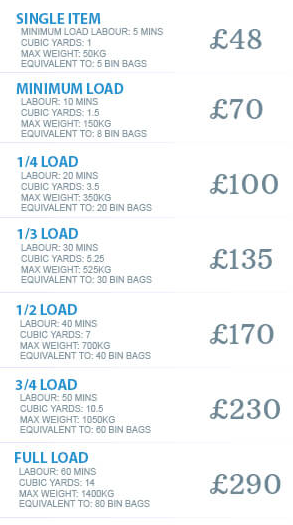
 Tipper Van - Rubbish Removal and Waste Disposal Prices in Earls Court, SW5
 Luton Van - Rubbish Removal and Waste Disposal Prices in